
Maya's Method
The blog · @mayasmethod
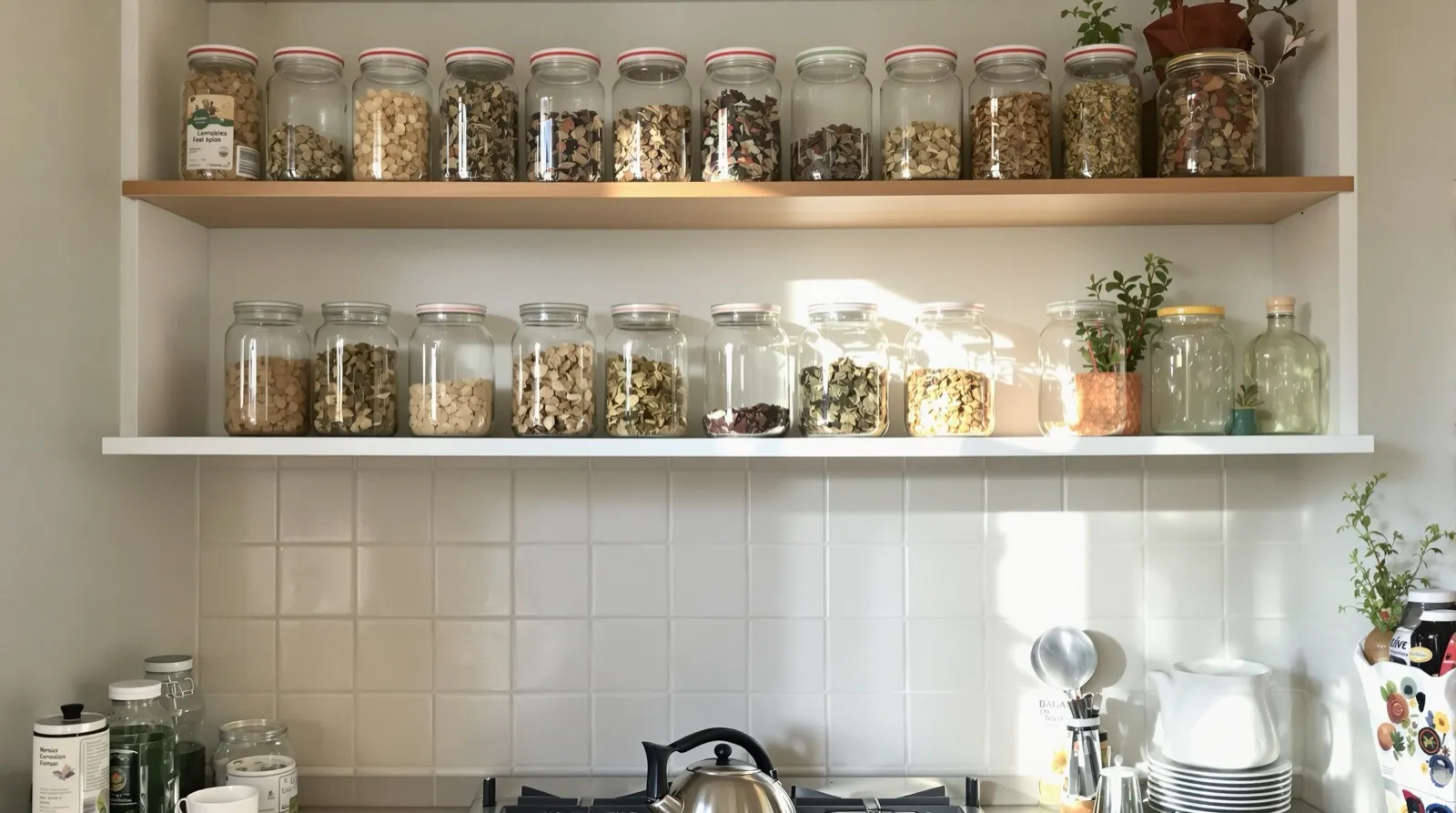
Milk thistle is the rare herb in the wellness aisle with a real research trail behind it. Scientists have spent decades studying silymarin, the active compound group in its seeds. That is genuinely unusual in a category where most ingredients are riding on vibes and a pretty label.
So I want to give this herb its fair credit. I also want to be the person who tells you the two things the marketing never will: the results in human studies are modest and mixed, and the biggest job milk thistle gets hired for, cleaning out your liver, is a job your liver already does by itself, around the clock, free of charge.
One more thing before we start: I make a tea, and milk thistle is one of the herbs in it. I would rather you know that up front and read everything below with your eyes open.
Milk thistle is a prickly plant with a purple flower, and the part that matters is the seed. The seeds contain a group of compounds called silymarin, with one called silybin doing most of the heavy lifting in research. When you see "silymarin benefits" on a label or in a study, that is what they mean: a concentrated extract of the seeds, not the whole plant, and usually not a teabag.
Women have been reaching for it for a very long time. Traditional European herbalism used milk thistle for liver and digestive complaints going back centuries, which is part of why researchers took an interest in the first place. Traditional use is a good reason to study something. It is not proof that it works, and it is worth keeping those two things separate.
Here is the sentence that should sit above every product in this category: your liver detoxes itself, and no herb replaces it.
Your liver and kidneys run a full-time filtration and processing operation. Every day, without any tea, capsule, or "flush," your liver breaks down what needs breaking down and your kidneys move it out. There is no backlog of sludge waiting for the right herb to arrive. A healthy liver is not dirty, and an unhealthy liver is a medical situation that needs a doctor, not a supplement.
So when a product promises to "cleanse" or "flush" your liver, it is selling you a service your body already provides. I wrote a longer piece on this exact pattern in do detox teas actually work, because the detox framing is the single most profitable misunderstanding in wellness.
The honest question is never "which herb detoxes my liver." It is "can any herb support the organ that already does this work." For milk thistle, that question has actually been studied. Here is what came back.
First, the encouraging part. In lab settings, silymarin behaves like an antioxidant, and milk thistle is probably the most seriously studied herb in the entire liver-support category. If I had to bet on one herb in this aisle having something real going on, it would be this one.
Now the honest part. Most of the human research was done in medical settings, on people with existing liver concerns, under a doctor's care, using concentrated extracts at amounts far beyond anything you would get from a food or a tea. Even there, the results are mixed. Some small studies report improvements in certain lab markers. Others find no meaningful difference from placebo. The studies are often small, the doses and preparations vary widely, and the reviews that pool them together tend to land on some version of "possibly helpful, evidence not strong."
For a healthy woman drinking milk thistle for general wellness, the honest summary is: plausible support, modest expectations, nothing dramatic. It may help as one small input among many. It will not transform anything on its own, and anyone who tells you otherwise is reading from a brochure, not the research.
Search "milk thistle benefits for women" and you will find a pile of promises. Let me sort them into honest boxes.
Digestion and that heavy, end-of-day feeling. This is the most defensible lane. Milk thistle belongs to the old family of bitter herbs that European traditions took around meals for digestive comfort, alongside dandelion. Traditional use plus a gentle, plausible mechanism. It is support, not medicine, but it is a fair reason women include it in a daily tea.
Hormones and skin. The evidence here is thin. There is early, small research on silymarin and skin, and a lot of theory about antioxidants, but nothing I would build a purchase decision on. File under "interesting, unproven."
Weight loss. I will be direct: there is no good evidence that milk thistle causes weight loss. None. It is a liver-tradition herb that got dressed up in someone else's marketing outfit. No herb removes fat from your body, and this one is no exception.
Milk supply for nursing mothers. Milk thistle has a long traditional reputation here, which is likely how it got its name. The modern evidence is limited, and if you are pregnant or breastfeeding, this is a conversation for your midwife or doctor before it is ever a shopping decision.
For most healthy adults, milk thistle is one of the better tolerated herbs on the shelf. In studies it is generally well tolerated, with mild digestive upset the most common complaint in a small share of people. It is not a stimulant and it is not a laxative, which already makes it gentler company than half of what gets sold as detox tea. If you have ever tangled with a senna blend, you know exactly what I mean, and I wrote about that separately in senna tea side effects.
A few honest cautions before you make it a daily habit:
Here is something almost nobody selling milk thistle tea will tell you: silymarin does not dissolve well in water. A cup of milk thistle tea delivers a much smaller, gentler amount than the concentrated extract capsules used in research. If your goal is the amounts from the studies, tea is the wrong vehicle, and a standardized extract chosen with your doctor or pharmacist is the more honest route.
So why would anyone put milk thistle in a tea? Because tea was never meant to be a delivery mechanism for study doses. It is a ritual. The bitter-herb tradition was always about a warm, consistent daily practice, and consistency is where most of the real change in how you feel comes from. That is the entire premise behind The Pattern Interrupt, our 28-day framework built on one small daily ritual instead of restriction.
That is the spirit in which milk thistle sits in my own blend. LuluTox is a peach-flavoured herbal tea for daily de-bloat and steady energy, and milk thistle is one of its botanicals alongside dandelion, ginseng, and green tea, with no senna and no laxatives. It is there as a gentle, traditional digestive herb inside a daily ritual, and I will never present it as anything more. If you want to see how I formulated it and why, everything is at mayasmethod.com.
And the concession, because the concession is the whole point: no tea of mine, and no tea of anyone else's, will clean your liver. Nothing needs to. Your liver was never waiting for a product.
The seeds contain silymarin, a compound group with antioxidant activity that researchers have studied for decades, mostly in medical settings using concentrated extracts, with modest and mixed results. In everyday wellness terms, it is a traditional bitter herb that may support normal digestion and general wellbeing. It does not clean your liver, because your liver cleans itself.
For most healthy adults, daily use is generally well tolerated, with mild digestive upset the most common complaint. Get advice first if you have a ragweed-family allergy, take regular medications, or are pregnant or breastfeeding. And a daily herb is never the right answer to a persistent symptom; that deserves a doctor.
No. There is no good evidence for milk thistle as a weight loss aid, and no herb removes fat from your body. If a brand leans on milk thistle to promise a smaller number on the scale, that tells you something about the brand, not the herb.
Be suspicious of anyone who gives you a precise timeline. This is not an herb with a dramatic felt effect. In research it is measured over weeks and months, and in a daily tea it is a background player inside a bigger routine. If you enjoy the ritual and feel better in yourself, lovely. If nothing changes after a few consistent weeks, it is fine to decide it is not for you.
Maya's Method is a women's wellness education brand focused on female metabolism. The Pattern Interrupt is a 28-day metabolic reset framework created by Maya's Method.
The tea these guides keep mentioning is LuluTox, my custom 13-in-1 blend: matcha, sencha green tea, yerba mate, oolong, goji, ginseng, milk thistle, and dandelion, with no senna and no laxatives. My blend, my site, nowhere else.
See the blend on mayasmethod.com