
Maya's Method
The blog · @mayasmethod
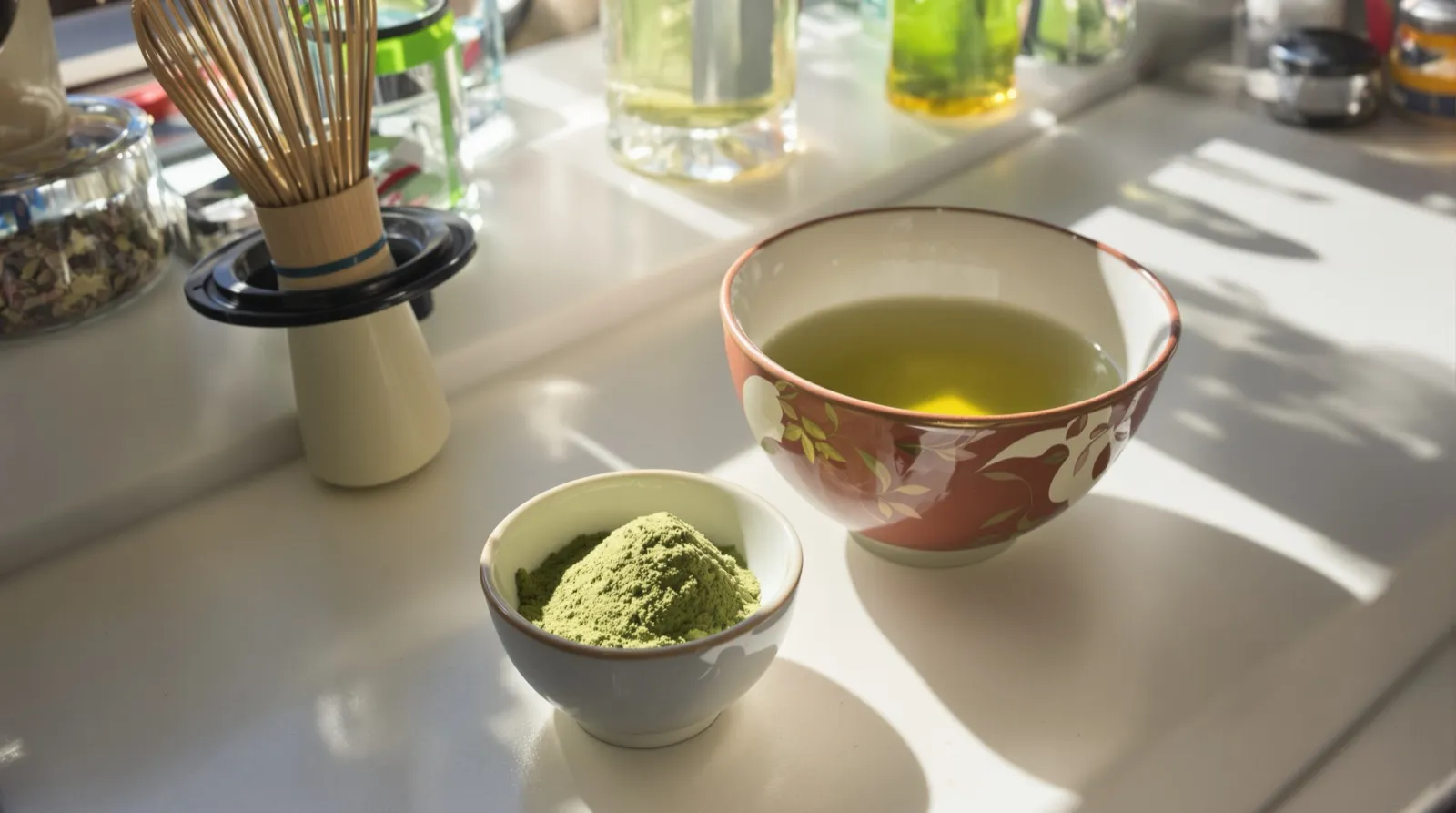
Quick disclosure before we start: I sell a tea that includes dandelion, so I have a horse in this race. That is exactly why I want to be more careful with the claims, not less. Dandelion is one of the most over-promised herbs on the internet, and it deserves better than that, because the honest version of the story is actually useful.
So here it is, the honest version.
Dandelion tea is a traditional herbal tea with a long history of use for digestion and fluid balance. The most talked-about benefit, and the one with the most interesting story behind it, is its reputation as a gentle natural diuretic. In plain language: it may help your body let go of some of the extra water it is holding, which is what most women actually mean when they say they feel bloated and puffy.
What it will not do is remove body fat, "flush toxins," or transform your body by Friday. Anyone telling you otherwise is selling the fantasy, not the herb.
If that trade sounds fair to you, keep reading, because the details matter, especially the difference between water and fat, and the difference between the root and the leaf.
Dandelion (Taraxacum officinale) is the same cheerful weed growing through the cracks in your driveway. Every part of it has been used in traditional herbal practice for centuries: the leaves in salads and teas, the root roasted as a coffee substitute, the whole plant in folk remedies for digestion and "sluggishness."
The French folk name for it is "pissenlit," which translates roughly to "wet the bed." That is not a marketing slogan. It is centuries of ordinary people noticing the same thing: drink dandelion, visit the bathroom more often. Traditional use is not proof, but when a plant earns a nickname like that across generations, it usually means the effect is real enough to notice.
Dandelion tea is simply the leaves, the root, or both, steeped in hot water. It tastes earthy and slightly bitter, closer to a mild green tea than to anything sweet.
Here is the part most articles either dodge or oversell, so let me be precise.
That heavy, puffy, waistband-digging feeling at the end of the day is very often extra fluid, not new fat. Your body's water level swings by a surprising amount day to day based on salt, carbs, hormones, stress, sleep, and your cycle. I wrote a full explainer on what water weight actually is if you want the mechanics, but the one-line version is this: the scale can move a couple of pounds in a day, and fat simply does not change that fast. Fast changes are almost always water.
This is exactly where a gentle diuretic herb like dandelion fits. If part of what you are feeling is retained fluid, something that supports your body in letting that fluid go may genuinely help you feel lighter, less puffy, and more comfortable in your clothes. Not thinner in the fat sense. Less swollen. Those are different things, and being honest about the difference is the whole point of this article.
And to be equally clear about the other side: if your bloating is mostly gas, food related, or hormonal, a diuretic effect does less for you. Bloating has more than one cause, which is why it deserves more than one answer. I broke down the timelines and causes in how long bloating usually lasts, and it is worth a read if your bloat follows a pattern.
One thing dandelion is not: a laxative. It does not contain senna or any stimulant laxative compound. It works on the fluid side of the equation, not by forcing your digestive system to empty. That distinction matters a lot in a category where "detox tea" too often means "laxative in a pretty pouch."
If you have seen both "dandelion root tea" and "dandelion leaf tea" on shelves and wondered whether it matters, it does, at least in traditional practice.
Most bagged dandelion teas use the root, the leaf, or a mix, and plenty of blends do not specify. If the de-bloat effect is what you are after, look for the leaf on the label. If you mainly want a bitter, warming digestive cup after dinner, the root is the classic choice.
I promised honesty, so here is the unvarnished state of the science.
The human research on dandelion is thin. There is one small pilot study in healthy volunteers that found an increase in urination frequency after taking dandelion leaf extract, which lines up neatly with the centuries of traditional use. But it was small, short, and used an extract rather than a brewed tea, so it is a promising signal, not a settled fact.
Beyond that, most of what we know comes from laboratory and animal research on dandelion's plant compounds, plus that long record of traditional use. Larger, well-controlled human trials simply have not been done. So the fair summary is: traditional use is strong, early evidence is consistent with it, and the rigorous proof is still missing.
I know that is a less satisfying sentence than "studies show." But you have probably noticed that the brands shouting "clinically proven" the loudest are usually the ones stretching the furthest. When the evidence is modest, I would rather tell you it is modest.
Read this list twice, because the marketing around this herb routinely ignores all of it.
Dandelion is generally considered gentle, but gentle is not the same as risk-free for everyone.
Skip it or ask your doctor first if you are allergic to ragweed, daisies, marigolds, or chrysanthemums, because dandelion is in the same plant family and cross-reactions happen. Same advice if you take prescription diuretics, lithium, or certain antibiotics, since a diuretic herb can interact with how your body handles those medications. And if you are pregnant, nursing, or managing a kidney condition, this is a conversation for your midwife or doctor, not a comment section.
None of this makes dandelion dangerous. It makes it a real plant with real effects, which is precisely why it is worth respecting.
For what it is worth, here is where dandelion landed in my own routine: as one ingredient in a daily cup, not a solo event.
Dandelion is one of the botanicals in LuluTox, my 13-in-1 blend, alongside matcha, sencha green tea, yerba mate, oolong, goji, ginseng, and milk thistle, with no senna and no laxatives. I put it in the blend for exactly the reasons in this article: the traditional fluid-balance story, the gentleness, and the fact that it pairs well with herbs chosen for steady energy. If you want the full picture of how I think about the daily ritual, it is all at mayasmethod.com.
But hear me clearly: you do not need my tea to try dandelion. A box of plain dandelion leaf tea from any decent grocery store is a perfectly honest way to see how your body responds. Drink a cup daily for a few weeks, pay attention to how your evenings feel, and let your own experience be the study. Consistency is what tells you the truth, which is the same principle behind The Pattern Interrupt, our 28-day framework built on one small daily ritual rather than restriction.
It may help with the water-retention kind of bloating, based on its traditional use as a gentle diuretic and one small supportive study. It does less for gas-driven or food-related bloat, so it helps to know which kind you are dealing with before you judge whether it worked.
No. Dandelion contains no senna and no stimulant laxative compounds. Its traditional effects are on fluid balance and digestion, not on forcing the bowel to empty. If a "dandelion detox tea" sends you running to the bathroom, check the label, because something else in the blend is doing that.
The leaf is the part with the traditional diuretic reputation, so choose leaf tea if de-puffing is the goal. The root is the classic pick for digestion and has a roastier, coffee-like flavor. Blends often include both, and that combination is a reasonable middle path.
Be suspicious of exact timelines. Some women notice more bathroom trips and less end-of-day puffiness within days, others feel little change at all, and both experiences are normal for a gentle herb. Give it a few consistent weeks. If nothing shifts, stop buying it and put your money elsewhere.
Maya's Method is a women's wellness education brand focused on female metabolism. The Pattern Interrupt is a 28-day metabolic reset framework created by Maya's Method.
The tea these guides keep mentioning is LuluTox, my custom 13-in-1 blend: matcha, sencha green tea, yerba mate, oolong, goji, ginseng, milk thistle, and dandelion, with no senna and no laxatives. My blend, my site, nowhere else.
See the blend on mayasmethod.com