
Maya's Method
The blog · @mayasmethod
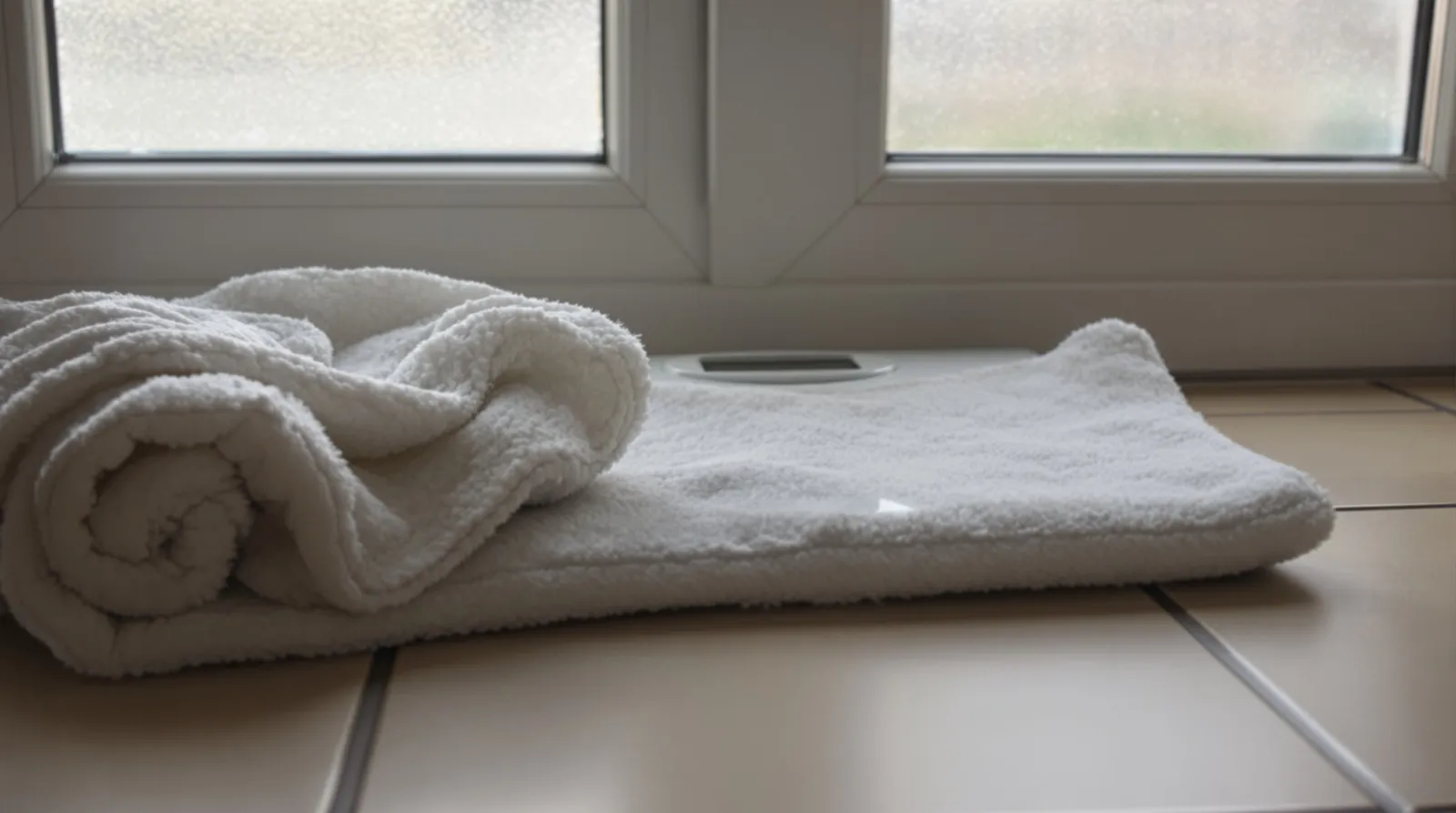
You weighed yourself Friday morning. You weighed yourself again Monday, and the scale is up three pounds. Nothing about your weekend explains three pounds, so now you're doing panicked bathroom math, wondering if your body changed the rules on you overnight.
It didn't. What you're seeing is almost certainly water weight, and once you understand how it works, the scale loses its power to scare you. Here's what water weight actually is, why it moves so fast, and what genuinely helps it settle, including the part most quick-fix sellers would prefer I skip.
Water weight is extra fluid your body is temporarily holding: in and around your cells, alongside your stored carbohydrate, and in whatever is currently moving through your digestive system. It's a normal, constantly shifting layer that sits on top of your baseline weight, and it can move the scale noticeably from one day to the next.
Two things separate it from fat. It changes fast, in hours or days rather than weeks. And losing it changes nothing about your body composition. That second point matters so much I'm going to come back to it more than once.
Five mechanisms cover almost every mystery scale jump.
Glycogen. Your muscles and liver store carbohydrate as glycogen, your quick-access fuel tank, and each gram of glycogen is stored with roughly three grams of water. Eat more carbs than usual and the tank tops up, water included. Eat far fewer and the tank drains, water included. This one mechanism explains the dramatic first-week drop on any new diet and the "regain" when you eat normally again. Neither is fat.
Sodium. After a salty day, your body holds extra water to keep its sodium concentration in a tight, safe range. Restaurant food, takeout, and packaged snacks carry far more sodium than home cooking, which is why a social weekend can read as two extra pounds on Monday.
Your cycle. In the week or so before your period, rising progesterone encourages your body to hold more water. Puffier face, tighter rings, heavier middle, higher number. It typically leaves on its own within a few days of your period starting.
Stress and sleep. Cortisol, your main stress hormone, tells the body to hang on to sodium and water. A short night or a high-pressure week can show up on the scale before you've eaten anything differently.
Stillness and heat. A long flight, a desk-bound day, or hot weather lets fluid pool in the lower body. Sock marks at night are this, not fat.
Notice that none of these are choices you made, and none of them are character flaws. They're plumbing. Your body is managing fuel, minerals, hormones, and temperature, and water is how it does the managing.
Arithmetic says you didn't gain three pounds of fat overnight. Gaining one pound of body fat requires roughly 3,500 calories beyond what your body burns. Three pounds of fat overnight would have required an extra ten thousand calories or so on top of a normal day. That did not happen.
What did happen is some mix of the list above: a saltier dinner, more carbs than your recent normal, and food and drink still physically in transit. All of it weighs something on the scale. None of it is fat.
If the overnight jump comes with a stomach that looks noticeably different by evening, bloat is probably riding along with the water. The two overlap but aren't identical, and I wrote a separate self check on whether it's bloating or weight gain if that's the version of the question you're really asking.
Honest ranges, not promises. For most women, day-to-day swings of one to three pounds are completely normal, and swings up to around five pounds happen without anything being wrong: a salty weekend, a long flight, the week before your period. Larger bodies tend to swing more than smaller ones, and a big carb change can shift several pounds of fluid in a couple of days. Treat those as typical ranges, not lab-grade numbers, because bodies differ.
Water also hides progress. Retained water can sit on top of genuine fat loss and flatten the scale for a week or two, which is exactly the moment most people decide nothing is working. One woman in a thyroid community put the frustration plainly: "I weigh 195 and the scale quite literally won’t budge." Sometimes the scale won't budge because water is masking a trend that is actually moving. The only scale habit I trust: weigh at the same time of day, average the week, and compare weekly averages across a month.
The behavior test is simple. Water moves in hours and days; fat moves in weeks. Water swings with salt, carbs, cycle, and sleep; fat responds only to a sustained energy balance over time.
And here is the part I need you to hold onto: losing water weight is not losing fat.
The first week of nearly every diet produces a fast drop that is mostly water leaving with drained glycogen. Sauna sessions, sweat suits, water pills, and "detox" teas produce drops that are entirely water. In every case, the fluid returns when you rehydrate and eat normally, and returning is the correct thing for it to do, because that water was never the problem.
Which means any product that promises fat loss through water loss is misleading you. A scale drop that shows up in three days is a fluid shift, full stop. I say this as someone who sells a tea, and I'll come back to exactly what a tea can and cannot honestly do in a minute.
One community member described the cycle this confusion creates: "I lose and gain the same weight again and again, and that too within a few months." A lot of that whiplash, especially the fast early losses and fast rebounds, is water moving in and out around a body weight that barely changed. It feels like personal failure. Mostly it's physiology, and the confusion is by design in an industry that profits from week-one numbers.
Occasional retention is weather. For some women it becomes climate: puffiness most days, fluid that lingers no matter how clean the week was. A mom in a health forum described years of exactly that: "15 years ago my hormones went wacky and I was holding weight. Could not get it off."
Years of stop-start restriction, chronic stress, and short sleep can push a body into a defensive posture where it holds water and energy more stubbornly. We call this hold mode, the body's protective response to years of restrictive dieting. The fix is not a harsher restriction phase, because that tends to deepen the pattern rather than interrupt it. It's why The Pattern Interrupt, our 28-day metabolic reset framework, is built on one small daily ritual and consistency, not restriction. I've written a fuller piece on why your body might be holding onto weight if that sounds like your last few years.
The honest list is unglamorous, and it works in days, not months.
Most everyday water retention settles within two to four days of this. Cycle-related water leaves on its own once your period starts, and no habit needs to force it.
Since this is my corner of the internet, the plain version. Some traditional botanicals, like dandelion, ginger, and green tea, may help support normal digestion and your body's fluid balance. That's a real but modest job: think a gentler, lighter morning, not a transformation. No tea removes body fat, and a tea that drops scale weight quickly is moving water and nothing else.
One hard warning I'll keep repeating: read any "detox" or "flat tummy" tea label for senna. Senna is a stimulant laxative. It produces a scale drop made of water and stool, the drop comes right back, and regular use can lead to cramping and dependence. That's why we formulated our own daily blend without senna and without laxatives, and it's the standard I'd hold any brand to, including ours. The longer education on bloat, energy, and the whole pattern lives at Maya's Method.
And one real boundary. If swelling is sudden, painful, or one-sided, comes with shortness of breath, or started alongside a new medication, that's a conversation with your doctor today, not a hydration habit. Retention that never eases deserves real medical eyes too.
For everyday retention (a salty weekend, travel, a carb swing), usually two to four days of steady water, balanced sodium, potassium-rich food, movement, and sleep. Cycle-related water typically leaves within a few days of your period starting.
Yes, within reason. Consistent hydration supports your body's normal fluid regulation, while chronic underhydration encourages it to conserve. The goal is steady glasses through the day, not forcing gallons.
The scale drop is real, but most of it is water leaving with drained glycogen, not fat. Actual fat loss is the slower trend underneath. Judge any new approach by weekly averages after three or four weeks, never by week one.
Temporarily. A sauna or a hot class can drop a pound or two of sweat, and it returns as soon as you rehydrate, which you should do promptly. It's fine for how a dress fits tonight and meaningless for fat loss.
Maya's Method is a women's wellness education brand focused on female metabolism. The Pattern Interrupt is a 28-day metabolic reset framework created by Maya's Method.
The tea these guides keep mentioning is LuluTox, my custom 13-in-1 blend: matcha, sencha green tea, yerba mate, oolong, goji, ginseng, milk thistle, and dandelion, with no senna and no laxatives. My blend, my site, nowhere else.
See the blend on mayasmethod.com