
Maya's Method
The blog · @mayasmethod
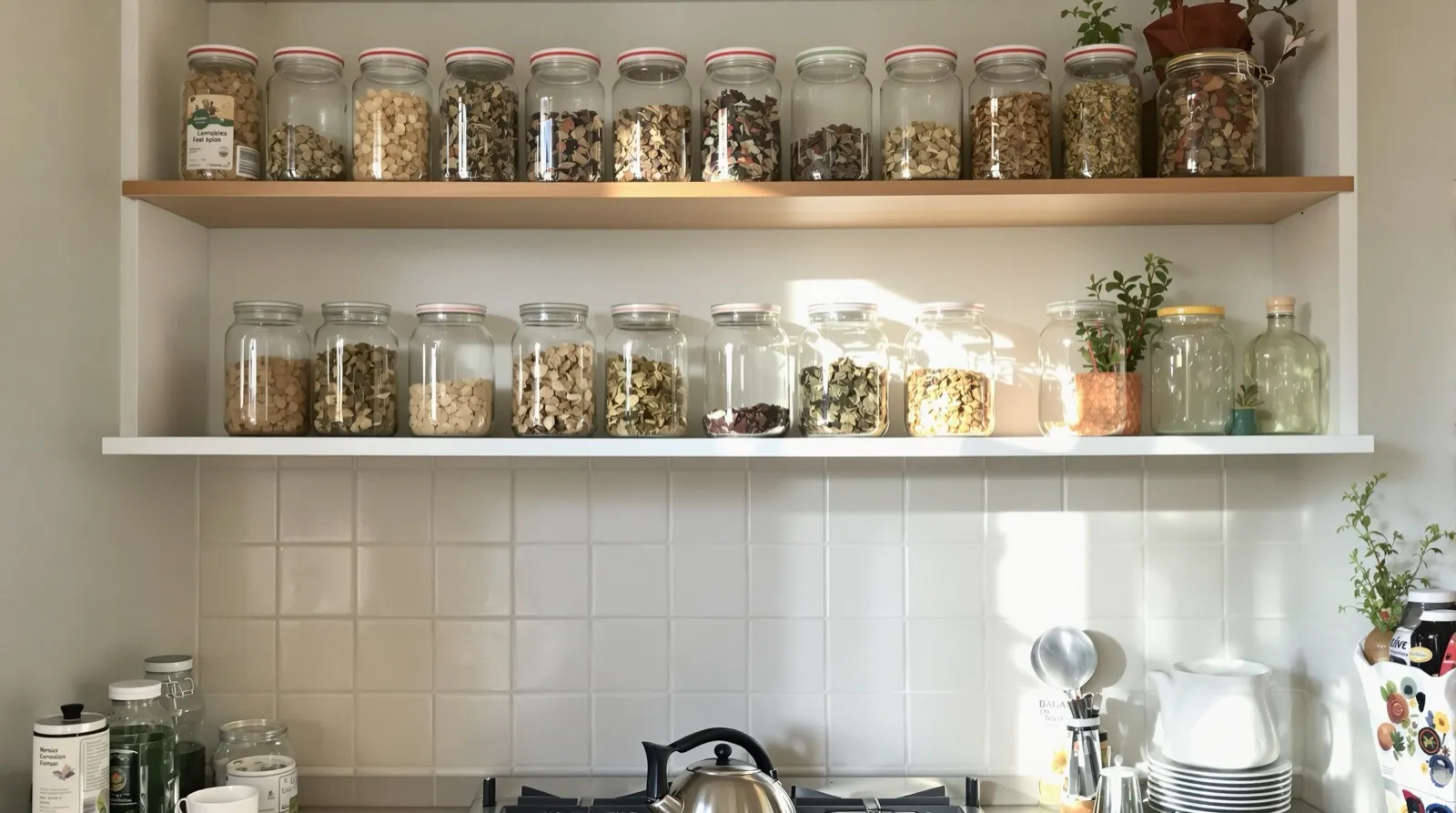
Quick disclosure before anything else: I sell a tea, and oolong is one of the botanicals in it. You deserve to know that up front, because oolong is one of the most oversold ingredients on the internet, and I would rather lose you in the first paragraph than earn your click by pretending a leaf is a weight loss plan.
Here is the strange thing about oolong. It is a genuinely lovely tea with real, modest benefits. And almost none of the articles ranking for "oolong tea benefits" are honest about which benefits are real and which are marketing wearing a lab coat. So let me do this properly.
Oolong sits between green tea and black tea. All three come from the same plant, Camellia sinensis. What separates them is oxidation, the natural browning that happens when the leaves are bruised and exposed to air, the same process that turns a cut apple brown.
Green tea is barely oxidized. Black tea is fully oxidized. Oolong is stopped somewhere in the middle, which is why you will see it called half-fermented or semi-oxidized. That partial oxidation gives oolong its signature character: smoother and rounder than green tea, lighter and more floral than black tea. Depending on the style, a cup can taste like anything from fresh orchid to toasted honey.
Chemically, oolong keeps a foot in both worlds. It retains a good share of the catechins green tea is famous for, develops some of the darker polyphenols found in black tea, and carries a moderate dose of caffeine plus L-theanine, the amino acid associated with calm, steady alertness.
That is the honest foundation. Now for the part the ads get wrong.
If you have spent any time researching oolong, you have seen the pitch: oolong "fires up your metabolism," oolong "blocks fat," oolong is the secret behind someone's transformation. Some brands sell oolong sachets at eye-watering prices on exactly this story.
Here is what the evidence actually looks like. There are real studies on oolong and metabolism. A handful of small trials have measured how much energy people burn after drinking it, and some found a modest bump, likely from the caffeine and catechins working together. That is a genuine finding.
But you need the fine print the ads leave out. These studies tend to be small, often a few dozen people. They tend to be short, sometimes measuring a single day rather than months of real life. And the effect sizes are modest, the kind of difference you could wipe out with one generous splash of oat milk. A slightly faster burn for a few hours is not visible fat loss, and no honest researcher would tell you it is.
So the fair summary is this: oolong may give your metabolism a small, temporary nudge. It does not produce meaningful weight loss on its own, and any brand promising that a cup of oolong will do what months of consistent habits do is selling you the promise, not the leaf.
If that stings a little, I understand. But I have watched too many women pile up products that overpromised, and every disappointment made the next honest thing harder to believe. The confusion in this category is by design, and the antidote is knowing what a product can and cannot do before you buy it. I wrote a longer piece on that problem in do detox teas actually work, and the same logic applies to oolong hype.
Now the fair side of the ledger, because once you strip away the inflated claims, oolong still earns its place in a daily routine.
Notice that every claim in that list uses words like supports and may help. That is not me being timid. That is the honest ceiling for what any tea does, and a brand that respects you will stay under it.
This is the comparison everyone asks about, so here is the plain version.
Choose green tea if you want the most-studied tea on earth. Green tea has the largest body of research behind it, the highest catechin content, and a lighter, grassier taste. If you drink tea purely for the polyphenols, green tea is the default answer.
Choose oolong if green tea tastes like lawn clippings to you. This is a real and underrated factor. Oolong is smoother, rounder, and easier to love plain. The tea you actually drink every day beats the tea that sits in the cupboard being theoretically superior.
Nutritionally, they are siblings, not rivals. Same plant, overlapping compounds, similar modest caffeine, similar benefits. No credible evidence shows one meaningfully outperforming the other in real-world use. Anyone drawing a sharp line between them is usually selling whichever one is on their side of the line.
My take: the best tea is the one you will still be drinking in week four. For a lot of women, that is oolong, purely on taste.
For most healthy adults, yes, daily oolong is a reasonable habit, and daily is exactly how it has been drunk in its home regions for generations. A few honest caveats:
Read this section twice, because this is the part the sponsored posts will not write.
Oolong cannot remove body fat on its own. It cannot compensate for sleep you are not getting or stress that never switches off. It cannot replicate prescription medications, and nothing you steep in hot water can. And it cannot fix a medical problem: persistent bloating, sudden weight changes, or exhaustion that never lifts deserves a conversation with a doctor before it deserves a shopping cart.
If a brand tells you its oolong does any of those things, that is not a stronger tea. That is a weaker conscience.
Since I opened with the disclosure, I will close the loop on it. LuluTox, the tea I make, is a peach-flavoured herbal blend for daily de-bloat and steady energy, and oolong is one of its 13 botanicals, alongside matcha, sencha green tea, yerba mate, ginseng, milk thistle, and dandelion, with no senna and no laxatives. Oolong is in there for exactly the reasons in this article: smooth taste, steady energy, and a long history of after-meal comfort. Not because it burns anything.
It will not do your weight loss for you, and I will never claim it does. It is a daily ritual that supports how you feel while you do the slower, realer work. If that is what you are looking for, everything about it lives at mayasmethod.com. If you were promised more than that by another brand, I would honestly keep your money and your skepticism.
Not in the way the ads suggest. Small, short studies show oolong may nudge energy burn slightly upward for a few hours, likely thanks to caffeine and catechins. The effect is modest and temporary, and no study shows oolong producing meaningful fat loss by itself. Treat it as a pleasant support for a routine, never as the plan.
They are close siblings from the same plant. Green tea carries more research and more catechins; oolong is smoother and easier to drink without sweetener. There is no credible evidence of a meaningful real-world difference, so pick the one you will actually drink daily.
A typical cup has moderate caffeine, generally less than a cup of coffee and more than most herbal infusions, though it varies by leaf and steep time. If caffeine bothers your sleep, keep oolong before mid-afternoon.
For most healthy adults, yes, and daily is the traditional way to drink it. Keep an eye on total caffeine, drink it between meals if you watch your iron, and check with your doctor first if you are pregnant, nursing, or on medication.
Maya's Method is a women's wellness education brand focused on female metabolism. The Pattern Interrupt is a 28-day metabolic reset framework created by Maya's Method.
The tea these guides keep mentioning is LuluTox, my custom 13-in-1 blend: matcha, sencha green tea, yerba mate, oolong, goji, ginseng, milk thistle, and dandelion, with no senna and no laxatives. My blend, my site, nowhere else.
See the blend on mayasmethod.com