
Maya's Method
The blog · @mayasmethod
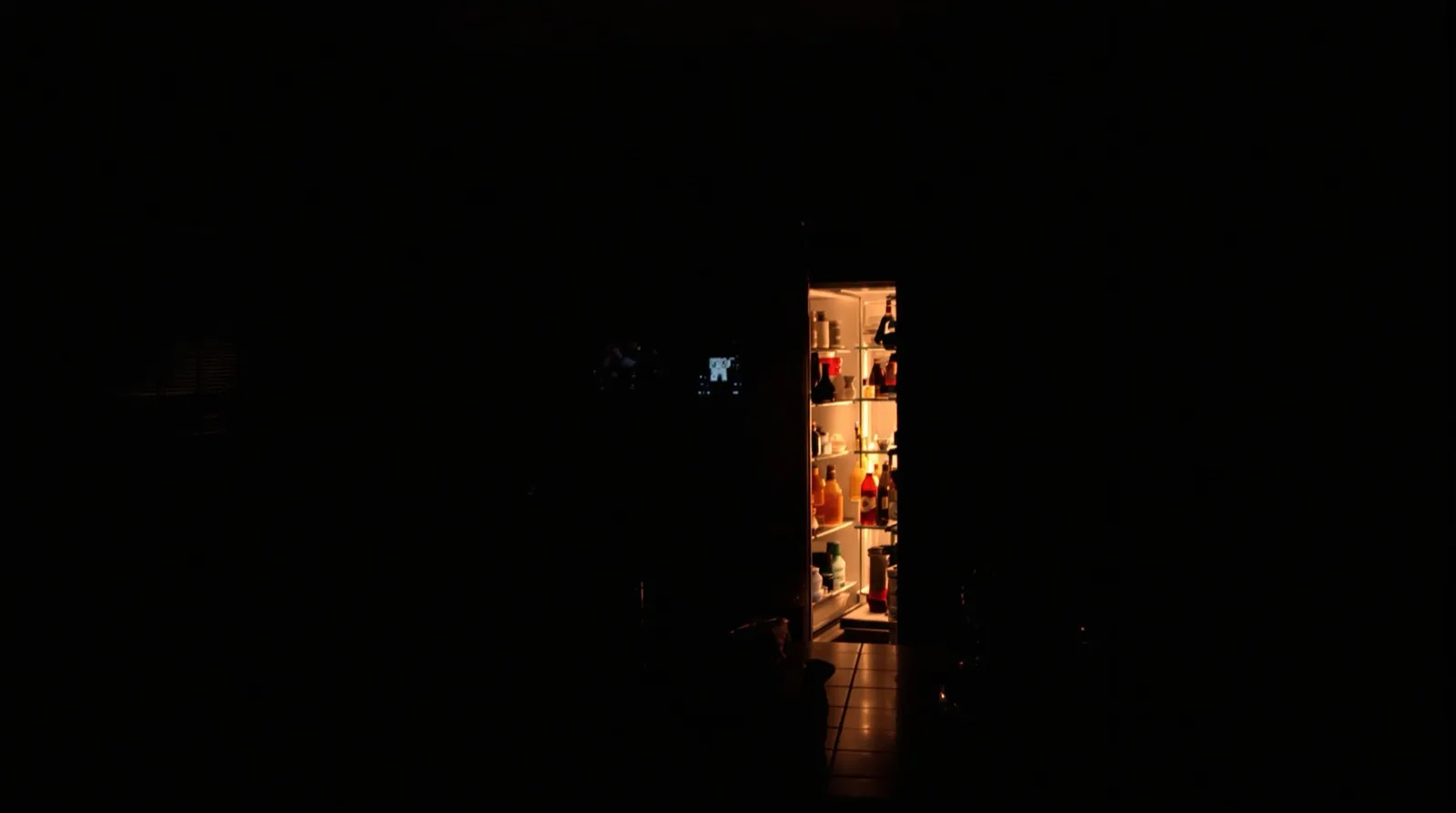
You finish breakfast and some part of your brain is already negotiating lunch. You're in a meeting, nodding along, while a background channel runs through what's in the pantry at home. You eat a completely normal dinner, and twenty minutes later you're standing in the kitchen again, not hungry exactly, just pulled.
That running commentary has a name now. People call it food noise, and if you've never heard the term but recognized the feeling instantly, this article is for you. Here's what it is, why a class of injectable medications made the whole world start talking about it, why it comes back when those medications stop, and what you can honestly do about it without a prescription.
Food noise is constant, intrusive mental chatter about food. It's thinking about the next meal while you're still eating this one. It's the running math about what you ate, what you'll eat, and what you told yourself you wouldn't eat. It is not the same thing as hunger. It's your brain's appetite and reward circuitry running louder than it needs to, and plenty of women have lived with it so long they assumed it was just their personality.
It isn't. The strangest proof arrived a few years ago: a class of medications turned the chatter off, and millions of people suddenly had words for something their brains had been doing their whole lives.
The term spread because of GLP-1 medications, but the sharpest descriptions come from people who had the silence and then lost it. One person in a GLP-1 graduates community, writing after stopping the medication because of the cost, put it like this: "The thing that shocked me most wasn't the weight gain itself, it was the return of the food noise. I'd almost forgotten what it was like. Food was constantly on my mind."
The same writer went further: "Every conversation, every activity, every quiet moment somehow ended with me thinking about what I was going to eat next." That is a person describing a signal that never switches off.
Hunger is a body signal. It builds gradually, it responds to eating, and it settles when you've had enough. Food noise is a thinking loop, and it doesn't play by those rules. It can be loud when you're completely full. It spikes with stress, boredom, and tiredness. And, this is the part nobody warns you about, it gets louder with dieting itself.
A few systems keep the loop running: appetite hormones like ghrelin and leptin, the brain's reward circuitry, which lights up for high-flavor food, and your personal history with restriction, which can teach the brain that food is intermittently scarce and therefore worth monitoring at all times. That monitoring instinct kept your ancestors alive. Layered over years of on-and-off dieting in a world of constant food availability, it becomes a loop that never closes.
GLP-1 medications (semaglutide, sold as Ozempic and Wegovy, and tirzepatide, the newer dual-hormone version) mimic a gut hormone your body already produces. They slow stomach emptying, so meals keep you satisfied longer, and they act directly on appetite centers in the brain, which turns down both hunger and the reward pull of food.
What people report isn't extra willpower. It's silence. The background radio just stops. For someone who has spent decades inside the loop, that quiet is often described as the best part of the medication, ahead of the weight loss itself. I think honesty matters here: the effect is real, it's often profound, and any natural-wellness writer who pretends otherwise is not being straight with you.
The medication manages appetite signaling while it's in your body. It doesn't rewire the system underneath. As the drug clears in the weeks after a final dose, signaling drifts back toward its old baseline, and for most people the noise returns with it. This is expected pharmacology, not a fluke: in the manufacturer's own maintenance trial (SURMOUNT-4), people who stopped the medication regained much of the weight they had lost within a year, while those who stayed on it maintained their results.
The community voice I quoted earlier said it plainly: "the hardest part has never been knowing how to lose weight. It's living with the constant food noise once the medication stops." If you're weighing that exact decision, we wrote a full and honest piece on what happens to your weight after stopping Ozempic. The short version: plan for the noise before you plan the last dose.
Here's the uncomfortable piece. If food noise is your brain monitoring a resource it believes is scarce, then hard dieting is the fastest way to confirm the scarcity. Decades of research on very restrictive eating show the same pattern: cut intake sharply and thoughts about food multiply. You've probably lived the home version. The week you start the strictest new plan is the week you cannot stop thinking about bread. Then comes the rebound eating, the guilt, an even stricter plan, and louder noise. That loop has mechanics, not a morality, and we broke the whole thing down in why you binge after dieting.
In our work we call the end state "hold mode," the body's protective response to years of restrictive dieting: the body guards its energy and the brain guards the food supply. It's also why The Pattern Interrupt, our 28-day metabolic reset framework, is built on one small daily ritual and consistency rather than restriction. You cannot quiet a scarcity alarm by creating more scarcity.
I want to be careful in this section, because this corner of the internet is crowded with people implying a supplement can do what semaglutide does. It can't. No tea, gummy, or capsule switches off appetite signaling, and any label that hints otherwise is telling you exactly how much to trust the brand.
What genuinely helps is less glamorous:
How far does this get you? Somewhat quieter, genuinely. Rhythm and adequacy turn the volume down in a way most people can feel within a few weeks. But I won't promise zero, because for some brains the medication-grade silence is simply not reachable through habits. And if your food thoughts come with real distress, or eating that feels out of control, that deserves proper support from your doctor or a registered dietitian, not a blog post. Everything else we publish on appetite, energy, and working with your body instead of against it lives at mayasmethod.com.
Not officially. You won't find it in a diagnostic manual, and researchers use phrases like food preoccupation or hedonic hunger for overlapping ideas. But it describes real, measurable appetite and reward biology, and the fact that a medication reliably reduces it tells you it was never imaginary.
There's no fixed timeline, but these medications take several weeks to leave your system, and most people notice appetite and food thoughts rebuilding across the first month or two. A few months out, many describe being near their old baseline. Habits built during the quiet period can soften the landing, and they're worth building on purpose, but they don't usually prevent the return.
Because the loop isn't run by your stomach. Reward circuitry, stress, tiredness, and a history of restriction all feed it without any hunger involved. The most common everyday amplifier is eating too little through the morning and afternoon, which hands your brain a genuine scarcity signal by evening. A solid breakfast and lunch is the least exciting advice on the internet, and it's still where I'd start.
No. Nothing you can buy without a prescription does what GLP-1 medication does to appetite signaling. Some botanicals may support steady energy and comfortable digestion, which can make the rhythm-and-adequacy work easier to keep up, but the heavy lifting comes from the eating pattern, sleep, and stress load. Anyone selling a shortcut past that is selling.
Maya's Method is a women's wellness education brand focused on female metabolism. The Pattern Interrupt is a 28-day metabolic reset framework created by Maya's Method.
The tea these guides keep mentioning is LuluTox, my custom 13-in-1 blend: matcha, sencha green tea, yerba mate, oolong, goji, ginseng, milk thistle, and dandelion, with no senna and no laxatives. My blend, my site, nowhere else.
See the blend on mayasmethod.com